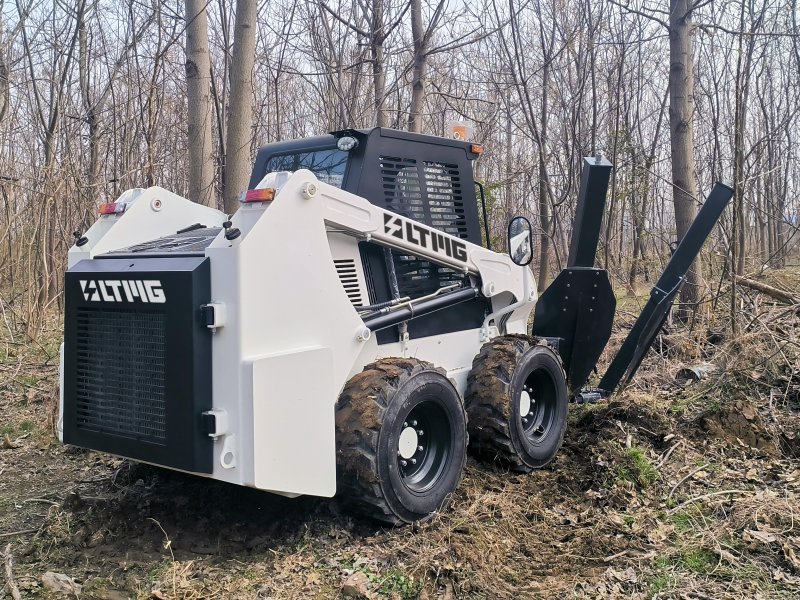
स्किड स्टीयर लोडर खरीदने से पहले पूछे जाने वाले 5 प्रश्न
Aug 31, 2026
खरीदना स्किड स्टीयर लोडर इसमें केवल इंजन की हॉर्सपावर, रेटेड ऑपरेटिंग क्षमता या कीमत की तुलना करने से कहीं अधिक शामिल है।यहां तक कि जब दो स्किड स्टीयर लोडर की विशिष्टताएँ समान हों, तब भी उनका वास्तविक प्रदर्शन उपयोग के आधार पर काफी भिन्न हो सकता है। सही मशीन का चुनाव इस बात पर निर्भर करता है कि आपको किन सामग्रियों को संभालना है, आप किन अटैचमेंट्स का उपयोग करने की योजना बना रहे हैं, कार्यस्थल पर कितनी जगह उपलब्ध है, मशीन किस प्रकार की ज़मीन पर काम करेगी, और खरीद के बाद रखरखाव सहायता और स्पेयर पार्ट्स प्राप्त करना कितना आसान होगा।निर्माण ठेकेदारों, उपकरण डीलरों, किराये पर देने वाली कंपनियों, खेतों और औद्योगिक उपयोगकर्ताओं के लिए, गलत स्किड स्टीयर लोडर कॉन्फ़िगरेशन का चयन करने से उत्पादकता में कमी, अटैचमेंट की अनुकूलता संबंधी समस्याएं, परिवहन में कठिनाइयाँ, उच्च परिचालन लागत या उन क्षमताओं के लिए अतिरिक्त भुगतान करना पड़ सकता है जिनका शायद ही कभी उपयोग किया जाता है।स्किड स्टीयर लोडर मॉडलों की तुलना करने से पहले, इन पांच महत्वपूर्ण प्रश्नों के उत्तर देकर शुरुआत करें। 1. स्किड स्टीयर लोडर का मुख्य रूप से उपयोग किस लिए किया जाएगा? सही स्किड स्टीयर लोडर का चयन विनिर्देश पत्रक के बजाय वास्तविक अनुप्रयोग से शुरू होना चाहिए।बाल्टी में सामान भरने के लिए मुख्य रूप से उपयोग किए जाने वाले स्किड स्टीयर लोडर की संरचना संबंधी आवश्यकताएं उस मशीन से भिन्न होंगी जो नियमित रूप से बरमा, हाइड्रोलिक ब्रेकर, ट्रेंचर, ब्रश कटर या अन्य हाइड्रोलिक अटैचमेंट संचालित करती है।खरीदने से पहले, उन कार्यों की पहचान करें जिन्हें मशीन सबसे अधिक बार करेगी। आपको यह भी निर्धारित करना चाहिए कि कौन सा कार्य मशीन पर सबसे अधिक भार डालेगा या सबसे अधिक प्रदर्शन की आवश्यकता होगी। उदाहरण के लिए:·यदि स्किड स्टीयर लोडर अक्सर पैलेटाइज्ड सामग्रियों को संभालता है, रेटेड ऑपरेटिंग क्षमता और लिफ्ट की ऊंचाई अधिकतम यात्रा गति से अधिक महत्वपूर्ण हो सकता है।·यदि हाइड्रोलिक अटैचमेंट का नियमित रूप से उपयोग किया जाएगा, सहायक हाइड्रोलिक प्रवाह और दबाव ये प्रमुख विचारणीय बिंदु होने चाहिए।·यदि मशीन मुख्य रूप से गोदामों, कृषि भवनों या सीमित निर्माण क्षेत्रों के अंदर काम करेगी, समग्र आयाम और गतिशीलता अतिरिक्त इंजन हॉर्सपावर की तुलना में यह अधिक व्यावहारिक मूल्य प्रदान कर सकता है। मॉडल का चयन करने से पहले, कुछ बुनियादी सवालों पर विचार करें: मशीन किन सामग्रियों को संभालेगी? उन्हें कितनी ऊंचाई तक उठाना होगा? कौन-कौन से अटैचमेंट इस्तेमाल किए जाएंगे? और स्किड स्टीयर लोडर सामान्यतः किस प्रकार के वातावरण में काम करेगा? एक बार जब ये आवेदन संबंधी आवश्यकताएं स्पष्ट हो जाती हैं, तो वास्तव में मायने रखने वाली विशिष्टताओं को निर्धारित करना बहुत आसान हो जाता है। 2. आपको वास्तव में कितनी रेटेड ऑपरेटिंग क्षमता की आवश्यकता है? रेटेड ऑपरेटिंग कैपेसिटी (आरओसी) स्किड स्टीयर लोडर का चयन करते समय यह सबसे महत्वपूर्ण विशिष्टताओं में से एक है। यह उस भार को संदर्भित करता है जिसे मशीन निर्माता द्वारा निर्दिष्ट स्थितियों के तहत संभालने में सक्षम है।हालांकि, खरीदारों को यह समझना चाहिए कि रेटेड ऑपरेटिंग कैपेसिटी, ऑपरेटिंग कैपेसिटी के समान नहीं होती है। टिपिंग लोड, ऑपरेटिंग वेट या ब्रेकआउट फोर्स।एक आम गलती यह है कि स्किड स्टीयर लोडर का चयन केवल संभाले जा रहे पदार्थ के औसत वजन के आधार पर किया जाता है, जबकि सामान्य संचालन के दौरान आने वाले सबसे भारी भारों को नजरअंदाज कर दिया जाता है।उदाहरण के लिए, यदि मशीन निर्माण सामग्री को स्थानांतरित करने के लिए पैलेट फोर्क का उपयोग करती है, तो आपको न केवल भार के वजन पर बल्कि पैलेट फोर्क के वजन पर भी विचार करना होगा। अटैचमेंट मशीन की उपलब्ध उठाने की क्षमता का कुछ हिस्सा उपयोग करते हैं, इसलिए आरओसी को मशीन द्वारा हर परिचालन स्थिति में ले जा सकने वाली सामग्री की सटीक मात्रा के रूप में नहीं माना जाना चाहिए। स्किड स्टीयर लोडर मॉडलों की तुलना करते समय, रेटेड ऑपरेटिंग क्षमता का मूल्यांकन निम्नलिखित के साथ करें:·भार को एक ओर उठाना·अटैचमेंट का वजन·मशीन का परिचालन भार·आवश्यक लिफ्ट ऊंचाई·कार्य स्थिति में आगे की ओर पहुंच उच्च आरओसी हमेशा बेहतर नहीं होता।यदि मशीन का आकार उपयोग की आवश्यकता से काफी बड़ा है, तो खरीद मूल्य, ईंधन की खपत, टायर की लागत और परिवहन संबंधी खर्च सभी बढ़ सकते हैं। साथ ही, बड़ी मशीन तंग जगहों में कम आसानी से चलाई जा सकती है।दूसरी ओर, अपर्याप्त क्षमता वाले स्किड स्टीयर लोडर का चयन करने से प्रति चक्र स्थानांतरित की जाने वाली सामग्री की मात्रा कम हो सकती है, कार्य चक्रों की संख्या बढ़ सकती है और भविष्य में उपयोग किए जा सकने वाले अटैचमेंट सीमित हो सकते हैं।बेहतर तरीका यह है कि ऐसी मशीन का चयन किया जाए जो आपके सामान्य उच्च-आवृत्ति वाले भार को विश्वसनीय रूप से संभाल सके, साथ ही सामान्य अटैचमेंट और भविष्य में परिचालन आवश्यकताओं में होने वाले परिवर्तनों के लिए पर्याप्त क्षमता भी प्रदान करे। 3. एक स्किड स्टीयर लोडर को कितनी इंजन शक्ति की आवश्यकता होती है? इंजन की हॉर्सपावर की तुलना करना आसान है, यही कारण है कि स्किड स्टीयर लोडर का मूल्यांकन करते समय कई खरीदार सबसे पहले इस पर ध्यान केंद्रित करते हैं।तथापि, अधिक हॉर्सपावर का मतलब यह नहीं है कि उत्पादकता भी अधिक होगी।इंजन को हाइड्रोलिक सिस्टम, ड्राइवट्रेन, मशीन के वजन, टायरों और अन्य सहायक उपकरणों के साथ प्रभावी ढंग से काम करना चाहिए। यदि मशीन के बाकी हिस्से अतिरिक्त इंजन आउटपुट का प्रभावी उपयोग नहीं कर पाते हैं, तो केवल हॉर्सपावर बढ़ाने से व्यावहारिक लाभ सीमित ही होंगे।उदाहरण के लिए, एक स्किड स्टीयर लोडर जिसका उपयोग मुख्य रूप से सामान्य सामग्री हैंडलिंग के लिए बाल्टी या पैलेट फोर्क के साथ किया जाता है, उसकी बिजली की आवश्यकताएं उस मशीन से बहुत अलग होती हैं जो अक्सर हाइड्रोलिक-गहन अनुप्रयोगों जैसे कि ब्रेकिंग, ट्रेंचिंग या मिलिंग को करती है। स्किड स्टीयर लोडर इंजन की शक्ति का मूल्यांकन करते समय निम्नलिखित बातों पर विचार करें:·सामग्री प्रकार·खुदाई की तीव्रता·जमीनी स्थितियाँ·हाइड्रोलिक अटैचमेंट आवश्यकताएँ·दैनिक परिचालन घंटे·ईंधन की खपत और परिचालन लागत सीधे पूछने के बजाय, "इस स्किड स्टीयर लोडर में कितने हॉर्सपावर हैं?इससे अधिक उपयोगी प्रश्न यह है:क्या यह इंजन मेरे वास्तविक उपयोग की कर्षण और हाइड्रोलिक आवश्यकताओं के लिए पर्याप्त शक्ति प्रदान कर सकता है?इस दृष्टिकोण से हॉर्सपावर के आंकड़ों की तुलना करने के बजाय यह निर्धारित करना आसान हो जाता है कि इंजन काम के लिए उपयुक्त है या नहीं। 4. क्या स्किड स्टीयर लोडर आपके कार्यस्थल पर कुशलतापूर्वक काम कर सकता है? बड़े आकार के स्किड स्टीयर लोडर से जरूरी नहीं कि अधिक उत्पादकता प्राप्त हो।व्यवसायों द्वारा स्किड स्टीयर लोडर चुनने का एक मुख्य कारण यह है कि ये सीमित स्थानों में भी काम कर सकते हैं, जहाँ बड़े लोडर कुशलतापूर्वक काम नहीं कर पाते। इसलिए, खरीदारों को केवल मशीन की क्षमता पर ध्यान केंद्रित करने से पहले कार्यस्थल की भौतिक सीमाओं का मूल्यांकन करना चाहिए।सबसे पहले जाँच करें सबसे संकरे प्रवेश द्वार की चौड़ाई और ऊंचाई मशीन को वहां से गुजरना होगा। फिर यह निर्धारित करें कि कार्य क्षेत्र में प्रवेश करने के बाद मशीन को मुड़ने और घूमने के लिए पर्याप्त जगह होगी या नहीं।अटैचमेंट से मशीन के समग्र आकार पर भी असर पड़ता है।बकेट, पैलेट फोर्क या अन्य अटैचमेंट लगाने के बाद, स्किड स्टीयर लोडर को अतिरिक्त ऑपरेटिंग स्पेस की आवश्यकता हो सकती है। यह विशेष रूप से तब महत्वपूर्ण होता है जब निम्नलिखित स्थानों पर काम किया जा रहा हो: ·गोदामों·कृषि भवन·आवासीय निर्माण स्थल·सामग्री यार्ड·अन्य सीमित कार्य क्षेत्र किसी मशीन को प्रवेश द्वार से गुजरने से कहीं अधिक कार्य करने चाहिए। उसे मुड़ने, सामग्री तक पहुँचने, सामान लोड करने और अनलोड करने और अपने सामान्य परिचालन चक्र को कुशलतापूर्वक पूरा करने के लिए पर्याप्त जगह मिलनी चाहिए।यदि एक स्किड स्टीयर लोडर मुश्किल से कार्य क्षेत्र में प्रवेश कर पाता है, लेकिन अंदर जाने के बाद उसके पास पैंतरेबाज़ी करने के लिए बहुत सीमित जगह होती है, तो उसकी उच्च रेटेड परिचालन क्षमता वास्तविक दुनिया में अधिक उत्पादकता में तब्दील नहीं हो सकती है। 5. क्या टायर और मशीन का प्रकार आपकी जमीनी परिस्थितियों के लिए उपयुक्त हैं? जमीन की स्थितियां स्किड स्टीयर लोडर के कर्षण, टायर के घिसाव, गतिशीलता, उत्पादकता और समग्र परिचालन लागत को सीधे प्रभावित करती हैं।मशीन का चयन करने से पहले, दो मूलभूत प्रश्नों पर विचार करें:क्या लोडर मुख्य रूप से कठोर सतहों पर चलेगा या नरम जमीन पर?और: आपके अनुप्रयोग के लिए टायर की घिसाव प्रतिरोध क्षमता या कर्षण क्षमता में से कौन सा अधिक महत्वपूर्ण है?यदि मशीन मुख्य रूप से कंक्रीट, डामर या अन्य कठोर सतहों पर चलती है, तो टायर की घिसावट और गतिशीलता आमतौर पर प्रमुख विचारणीय बिंदु होंगे।यदि स्किड स्टीयर लोडर अक्सर कीचड़युक्त, नरम या ढीली जमीन पर काम करता है, तो कर्षण और उत्प्लावन क्षमता अधिक महत्वपूर्ण हो सकती है। ऐसे अनुप्रयोगों में, खरीदारों को न केवल विभिन्न टायर विकल्पों पर विचार करना चाहिए, बल्कि यह भी देखना चाहिए कि क्या कॉम्पैक्ट ट्रैक लोडर कार्य परिस्थितियों के लिए अधिक उपयुक्त होगा। स्किड स्टीयर लोडर बनाम कॉम्पैक्ट ट्रैक लोडर एक कॉम्पैक्ट ट्रैक लोडर स्वचालित रूप से पहिएदार स्किड स्टीयर लोडर से बेहतर नहीं होता है।ट्रैक लोडर आमतौर पर नरम जमीन पर बेहतर कर्षण और उत्प्लावन प्रदान करते हैं, लेकिन उनके अंडरकैरिज सिस्टम के कारण रखरखाव की अलग-अलग आवश्यकताएं और परिचालन लागत भी उत्पन्न होती हैं।इसलिए, पहिएदार स्किड स्टीयर लोडर और कॉम्पैक्ट ट्रैक लोडर के बीच निर्णय लेते समय निम्नलिखित कारकों पर विचार किया जाना चाहिए: ·सामान्य भू-स्थितियाँ·मशीन उपयोग·परिवहन आवश्यकताएँ·टायर बदलने की लागत·अंडरकैरिज रखरखाव लागत·आवश्यक कर्षण और गतिशीलता गलत प्रकार के अंडरकैरिज का चयन करने से टायरों के अत्यधिक घिसाव, बार-बार फिसलने या अंडरकैरिज के अधिक खर्चों के कारण परिचालन लागत बढ़ सकती है - भले ही इंजन, हाइड्रोलिक सिस्टम और उठाने की क्षमता अन्यथा अनुप्रयोग के लिए उपयुक्त हों। अपने काम के लिए सही LTMG स्किड स्टीयर लोडर खोजें यदि आप खोज रहे हैं निर्माण, कृषि, सामग्री ढुलाई, भूनिर्माण या अन्य अनुप्रयोगों के लिए स्किड स्टीयर लोडरआप खोज कर सकते हैं एलटीएमजी स्किड स्टीयर लोडर रेंज और अपनी आवश्यक परिचालन क्षमता, सहायक उपकरण, हाइड्रोलिक विन्यास, कार्य वातावरण और परिवहन स्थितियों के आधार पर एक मशीन का चयन करें।यदि आप इस बारे में निश्चित नहीं हैं कि आपकी आवश्यकता के लिए कौन सा मॉडल सही है, तो आप एलटीएमजी को अपनी वास्तविक कार्य परिस्थितियों और परिचालन आवश्यकताओं के बारे में विवरण प्रदान कर सकते हैं।उपकरण डीलरों, किराये पर देने वाली कंपनियों और विशिष्ट बाजार आवश्यकताओं वाले खरीदारों के लिए, LTMG OEM और ODM स्किड स्टीयर लोडर समाधान भी प्रदान करता है।विभिन्न परियोजनाओं और लक्षित बाजारों के अनुसार मशीन विन्यास और अनुकूलन विकल्पों पर चर्चा की जा सकती है।आप अपनी कार्य परिस्थितियों और खरीद संबंधी आवश्यकताओं के बारे में जितनी अधिक जानकारी प्रदान करेंगे, हमारी टीम के लिए उतना ही आसान होगा कि हम अधिक उपयुक्त स्किड स्टीयर लोडर कॉन्फ़िगरेशन और उपकरण समाधान की सिफारिश कर सकें।