2026 के वैश्विक कृषि परिदृश्य में तेजी से हो रहे बदलावों के बीच, मशीनीकरण का मतलब केवल शारीरिक श्रम को प्रतिस्थापित करना नहीं रह गया है—बल्कि यह कृषि व्यवसाय के सीमित लाभ मार्जिन को अधिकतम करने के बारे में है। कृषि ट्रैक्टर यह किसी भी फार्म द्वारा किए जाने वाले सबसे महत्वपूर्ण पूंजी निवेशों में से एक है।
हालांकि, कई प्रबंधकों के लिए एक आम समस्या खेत के आकार और मशीन की विशिष्टताओं के बीच बेमेल होना है।
कम क्षमता वाली इकाइयाँ: इंजन पर अधिक दबाव डालती हैं, बार-बार खराबी पैदा करती हैं, और बुवाई या कटाई के उचित समय को चूक का कारण बनती हैं।
अत्यधिक शक्तिशाली इकाइयाँ: इनके परिणामस्वरूप ईंधन की खपत अधिक होती है, बीमा प्रीमियम बढ़ जाता है और रखरखाव का खर्च अनावश्यक रूप से बढ़ जाता है।
यह गाइड उद्योग जगत की विशेषज्ञता का लाभ उठाते हुए आपको हॉर्सपावर, मिट्टी की आवश्यकताओं और कुल स्वामित्व लागत (टीसीओ) के बीच संतुलन बनाने में मदद करती है, ताकि आपका अगला कृषि ट्रैक्टर एक संपत्ति साबित हो, न कि बोझ।
आपकी ज़मीन का आकार ही यह निर्धारित करता है कि आपको किस प्रकार के उपकरण की आवश्यकता होगी। नीचे बताया गया है कि क्षेत्रफल के अनुसार बिजली की आवश्यकताएँ कैसे निर्धारित होती हैं।
अनुशंसित शक्ति: 25–50 एचपी
मुख्य अनुप्रयोग: फलों के बाग, अंगूर के बाग, ग्रीनहाउस और छोटे पैमाने पर सब्जियों की खेती।
रणनीतिक लाभ: ये कॉम्पैक्ट इकाइयाँ तंग जगहों में भी बेहतर संचालन क्षमता और काफी कम ईंधन खपत प्रदान करती हैं। ये हल्की जुताई, घास काटने और छिड़काव के लिए आदर्श हैं।
अनुशंसित शक्ति: 60–100 एचपी
मुख्य अनुप्रयोग: सामान्य अनाज की खेती, घास और चारा उत्पादन, और पशुधन प्रबंधन।
रणनीतिक लाभ: यह "उपयोगिता" श्रेणी है। ये ट्रैक्टर मध्यम-स्तरीय उपकरणों को चलाने के लिए पर्याप्त हाइड्रोलिक प्रवाह प्रदान करते हैं, साथ ही दैनिक कार्यों के लिए पर्याप्त किफायती भी हैं।
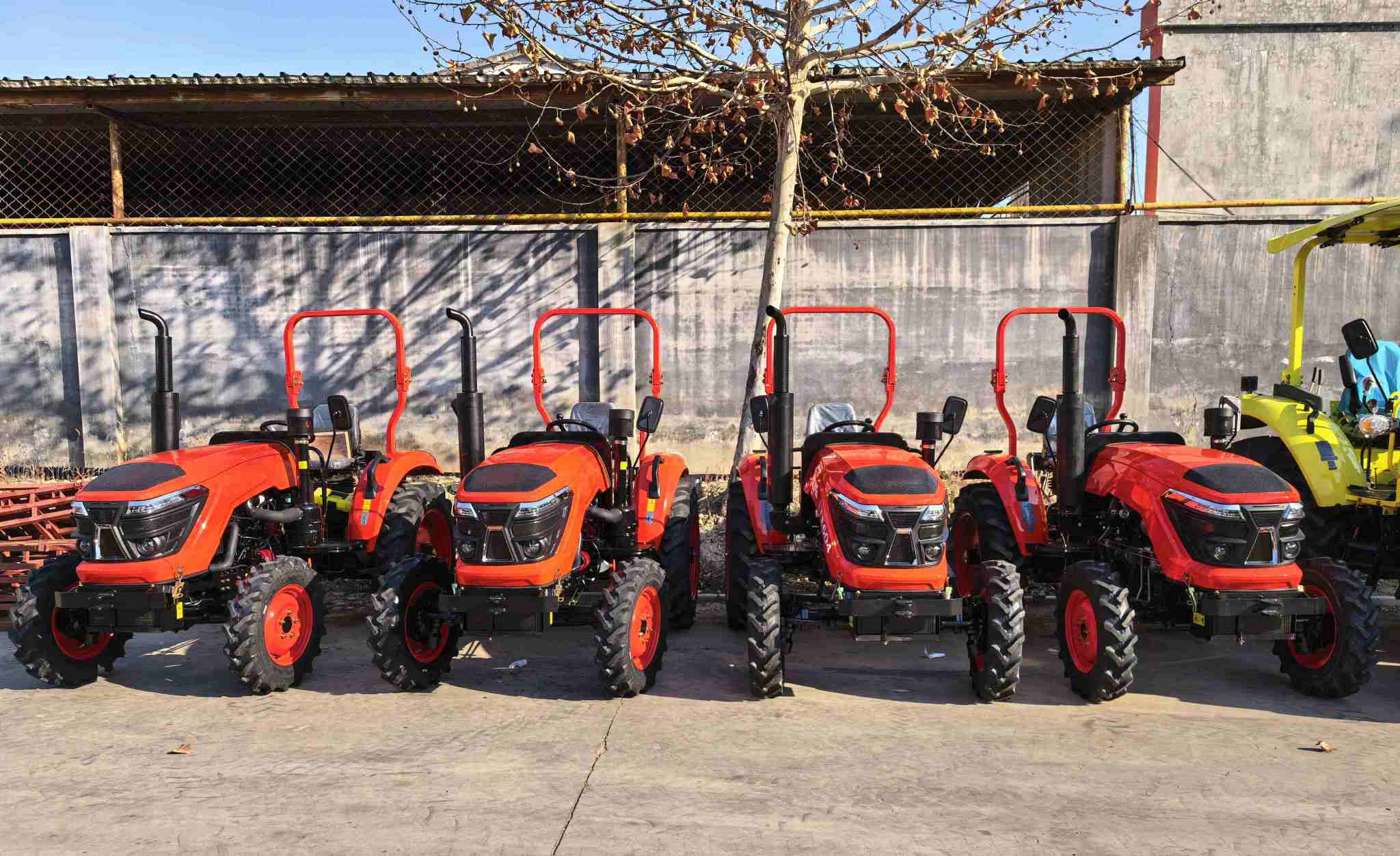
अनुशंसित शक्ति: 100+ एचपी
मुख्य अनुप्रयोग: बड़े पैमाने पर पंक्तिबद्ध फसलें (गेहूं, मक्का, सोयाबीन), गहन जुताई और व्यापक ढुलाई।
रणनीतिक लाभ: उच्च कर्षण और उन्नत संचरण प्रणालियाँ इन मशीनों को चौड़े व्यास वाले उपकरणों को खींचने की अनुमति देती हैं, जिससे कम चक्करों में अधिक भूमि को कवर किया जा सकता है - जो मौसम पर निर्भर समय के लिए आवश्यक है।
| खेत का आकार (हेक्टेयर में) | अनुशंसित एचपी रेंज | सबसे उपयुक्त फसलें | मुख्य विशेषता प्राथमिकता |
| 1 – 20 | 25 – 50 एचपी | सब्जियां, फल, बेरीज | मोड़ने की त्रिज्या और ईंधन दक्षता |
| 20 – 100 | 60 – 100 एचपी | अनाज, चारा, पशुधन | बहुमुखी प्रतिभा और हाइड्रोलिक शक्ति |
| 100+ | 100 – 200+ एचपी | मक्का, गेहूं, सोयाबीन | ट्रैक्शन और जीपीएस संगतता |
आकार एक आधारभूत मानक प्रदान करता है, जबकि पेशेवर खरीद के लिए परिचालन वातावरण पर गहन नज़र डालने की आवश्यकता होती है।
ड्राइव सिस्टम का चयन करना प्रारंभिक लागत और फील्ड परफॉर्मेंस के बीच संतुलन बनाने पर निर्भर करता है।
एक पेशेवर खरीदार केवल स्टीकर पर लिखी कीमत से आगे देखता है। ट्रैक्टर का सही मूल्य जानने के लिए निम्नलिखित बातों पर विचार करें:
सही ट्रैक्टर वही है जो प्रति एकड़ लागत को कम करते हुए उपज को अधिकतम करे। अपने खेत के आकार के अनुसार उपयुक्त हॉर्सपावर का चुनाव करके और अपनी मिट्टी और भूभाग की विशेषताओं को ध्यान में रखते हुए, आप एक ऐसी मशीन प्राप्त कर सकते हैं जो एक दशक या उससे अधिक समय तक आपकी फसल को वृद्धि प्रदान करे।
क्या आपको सामग्री प्रबंधन या कृषि संबंधी किसी विशेष समाधान की आवश्यकता है? सही कृषि ट्रैक्टर का चयन करने के लिए तकनीकी विशिष्टताओं और बजट के बीच संतुलन बनाए रखना आवश्यक है। आज ही हमारी विशेषज्ञ टीम से संपर्क करें और अपनी आवश्यकताओं के अनुरूप परामर्श प्राप्त करें, या नवीनतम उच्च-दक्षता वाले मॉडलों की तुलना करने के लिए हमारा 2026 ट्रैक्टर चयन कैटलॉग डाउनलोड करें।
क्या आप चाहेंगे कि हम आपकी वर्तमान फसल के प्रकार के आधार पर 50HP या 100HP मॉडल के लिए एक विशिष्ट कोटेशन प्रदान करें?

टेलीफोन : +86 195 5920 7570
ईमेल : market@ltmg.com
Whatsapp : +86 195 5920 7570
जोड़ना : LTMG Group, Electronics City(Xiamen) International Innovation Center, No.23, Duiying Road, Jimei District, Xiamen, China


नवीनतम उत्पाद जानकारी और ऑफ़र जानकारी प्राप्त करें



