आधुनिक निर्माण और औद्योगिक लॉजिस्टिक्स में, ऐसे उपकरणों की मांग पहले से कहीं अधिक बढ़ गई है जो शक्ति और कम जगह घेरने के बीच संतुलन बनाए रखते हैं। फ्लीट प्रबंधकों और खरीद पेशेवरों के लिए, कॉम्पैक्ट व्हील लोडर एक विशिष्ट उपकरण से परिचालन दक्षता का एक महत्वपूर्ण हिस्सा बन गया है।
यह मार्गदर्शिका तकनीकी लाभों और बहु-क्षेत्रीय अनुप्रयोगों का अन्वेषण करती है। कॉम्पैक्ट व्हील लोडर, जो आपके व्यवसाय के लिए सोच-समझकर निवेश करने के लिए आवश्यक जानकारी प्रदान करता है।
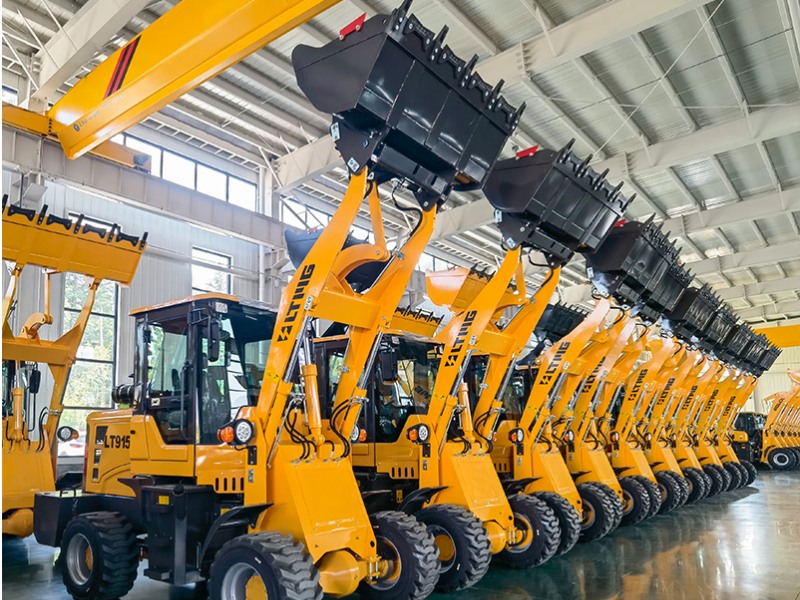
प्रोफेशनल ग्रेड कॉम्पैक्ट व्हील लोडर की क्या विशेषताएं होती हैं?
एक कॉम्पैक्ट व्हील लोडर यह महज अपने भारी-भरकम समकक्षों का छोटा संस्करण नहीं है। यह एक विशेष रूप से निर्मित मशीन है जिसका परिचालन भार आमतौर पर 3,000 किलोग्राम से 8,000 किलोग्राम तक होता है।
इसकी सबसे प्रमुख इंजीनियरिंग विशेषता इसका आर्टिकुलेटेड स्टीयरिंग सिस्टम है। रिजिड-फ्रेम मशीनों के विपरीत, कॉम्पैक्ट व्हील लोडर का चेसिस पिवट करता है, जिससे पिछले पहियों को घूमने की सुविधा मिलती है। fअनुसरण करें आगे के पहियों का सटीक मार्ग। इससे टायरों का घिसाव कम होता है और मोड़ने की त्रिज्या कम हो जाती है—जो भीड़भाड़ वाले कार्यस्थलों या संकरे गोदामों के गलियारों में वाहन चलाने के लिए अत्यंत महत्वपूर्ण है।
मुख्य लाभ: कॉम्पैक्ट व्हील लोडर उच्च प्रतिफल निवेश क्यों हैं
1. बेहतर गतिशीलता और स्थल तक आसान पहुंच
इसकी लचीली डिज़ाइन तंग जगहों में सटीक गति प्रदान करती है, जहाँ पारंपरिक लोडर विफल हो जाते हैं। यही कारण है कि ये शहरी अवसंरचना परियोजनाओं और इनडोर औद्योगिक अनुप्रयोगों के लिए पसंदीदा विकल्प हैं।
2. बहु-कार्यात्मक अनुलग्नक एकीकरण
कॉम्पैक्ट व्हील लोडर की खरीद का एक प्रमुख कारण इसकी बहुमुखी प्रतिभा है। उच्च-प्रवाह हाइड्रोलिक सिस्टम और क्विक-कपलर तकनीक का उपयोग करते हुए, एक ही यूनिट को निम्नलिखित सुविधाओं से लैस किया जा सकता है:
3. परिचालन दक्षता का अनुकूलन
अपने आकार के बावजूद, आधुनिक कॉम्पैक्ट व्हील लोडर प्रभावशाली ब्रेकिंग फोर्स और लिफ्ट क्षमता का प्रदर्शन करते हैं। ये स्किड स्टीयर की तुलना में तेज़ गति से चलते हैं, जिससे बड़े स्थलों पर सामग्री परिवहन करते समय लगने वाला समय काफी कम हो जाता है।
4. ऑपरेटर-केंद्रित इंजीनियरिंग
विशेषज्ञता के दृष्टिकोण से, ऑपरेटर का आराम सीधे उत्पादकता को प्रभावित करता है। प्रीमियम कॉम्पैक्ट लोडर में 360-डिग्री दृश्यता वाले प्रेशराइज्ड कैब, एर्गोनॉमिक जॉयस्टिक कंट्रोल और उन्नत एचवीएसी सिस्टम जैसी सुविधाएं होती हैं, जो लंबी शिफ्ट के दौरान थकान को कम करती हैं।
5. स्वामित्व की कुल लागत (टीसीओ) कम होगी
लाभ पर केंद्रित व्यवसायों के लिए, सीडब्लूएल उत्कृष्ट ईंधन दक्षता और आसान रखरखाव सुविधा प्रदान करते हैं। आर्टिकुलेटेड स्टीयरिंग में स्वाभाविक रूप से होने वाली टायर घिसावट में कमी के कारण स्किड स्टीयर लोडर की तुलना में दीर्घकालिक लागत कम होती है।
औद्योगिक अनुप्रयोग: जहाँ प्रदर्शन मांग से मेल खाता है
आवासीय क्षेत्रों में मिट्टी भरने से लेकर छोटे पैमाने के वाणिज्यिक विकास तक, सीडब्ल्यूएल भारी मशीनरी के परिवहन के झंझट के बिना आवश्यक उठाने की शक्ति प्रदान करते हैं।
कृषि क्षेत्र में, ये लोडर चारा संभालने, खाद का प्रबंधन करने और खलिहान के रखरखाव के लिए अपरिहार्य हैं, जहां ऊपर की बाधाओं को पार करने के लिए कम ऊंचाई वाले डिजाइन आवश्यक हैं।
नगरपालिकाएं बर्फ हटाने, सड़क मरम्मत और सार्वजनिक पार्क रखरखाव सहित साल भर के कार्यों के लिए कॉम्पैक्ट लोडर का उपयोग करती हैं, और मशीन की संवेदनशील सतहों पर बिना नुकसान पहुंचाए चलने की क्षमता से लाभान्वित होती हैं।
खरीद रणनीति: सही आपूर्तिकर्ता का चुनाव कैसे करें
व्हील लोडर आपूर्तिकर्ताओं और मॉडलों का मूल्यांकन करते समय, इन महत्वपूर्ण तकनीकी विशिष्टताओं पर विचार करें:
कॉम्पैक्ट व्हील लोडर बनाम स्किड स्टीयर लोडर: कौन सा बेहतर है?
हालांकि दोनों ही "कॉम्पैक्ट" हैं, लेकिन चुनाव आपके विशिष्ट उपयोग के मामले पर निर्भर करता है:
निष्कर्ष
सही उपकरण का चयन करना एक महत्वपूर्ण व्यावसायिक निर्णय है। चाहे आप थोक साझेदार की तलाश कर रहे हों, अनुकूलित OEM समाधान चाहते हों, या अपनी विशिष्ट आवश्यकता के लिए सबसे विश्वसनीय कॉम्पैक्ट व्हील लोडर की तलाश कर रहे हों, हमारी तकनीकी विशेषज्ञों की टीम आपकी सहायता के लिए यहाँ मौजूद है।
?ईमेल: market@ltmg.com
?व्हाट्सएप/वीचैट:+86 19559207570

टेलीफोन : +86 195 5920 7570
ईमेल : market@ltmg.com
Whatsapp : +86 195 5920 7570
जोड़ना : LTMG Group, Electronics City(Xiamen) International Innovation Center, No.23, Duiying Road, Jimei District, Xiamen, China


नवीनतम उत्पाद जानकारी और ऑफ़र जानकारी प्राप्त करें



