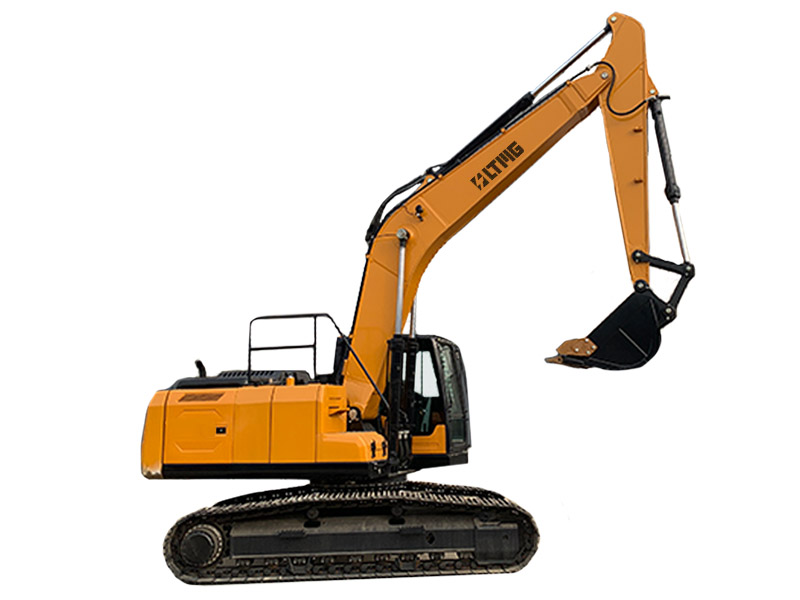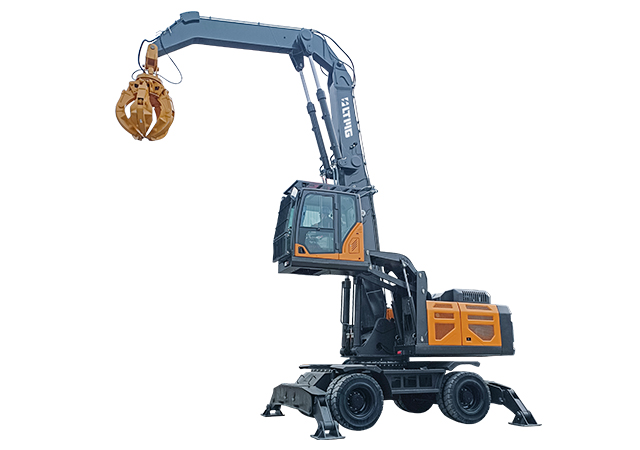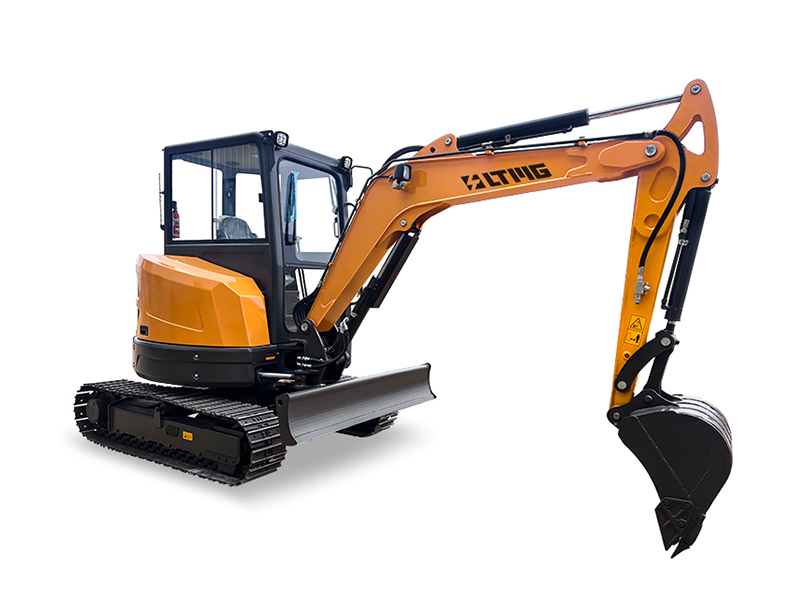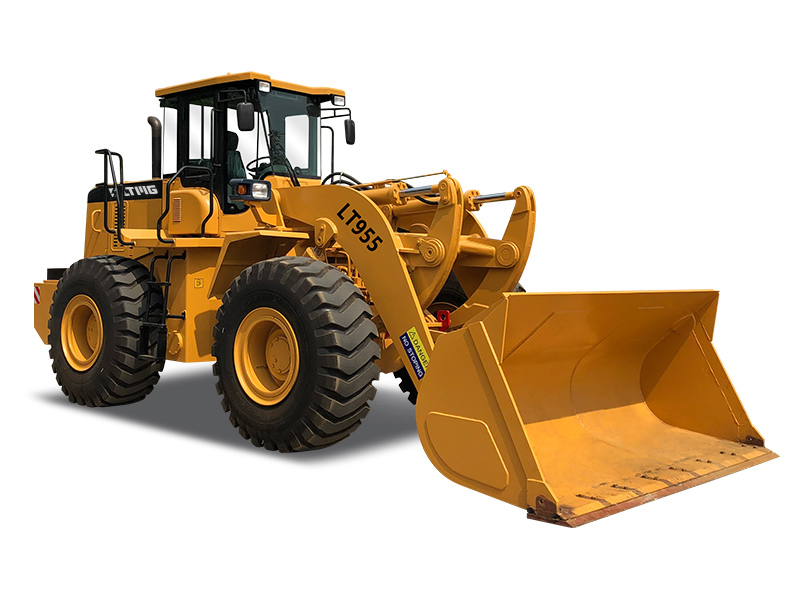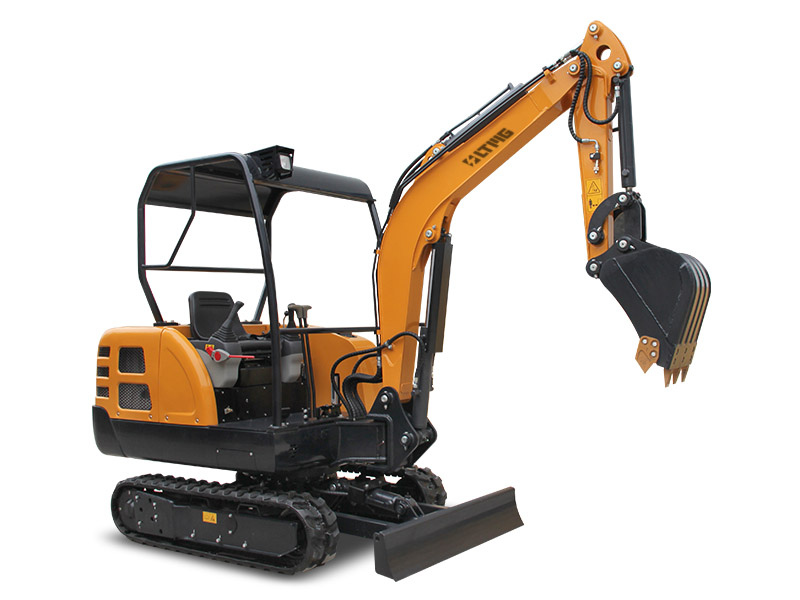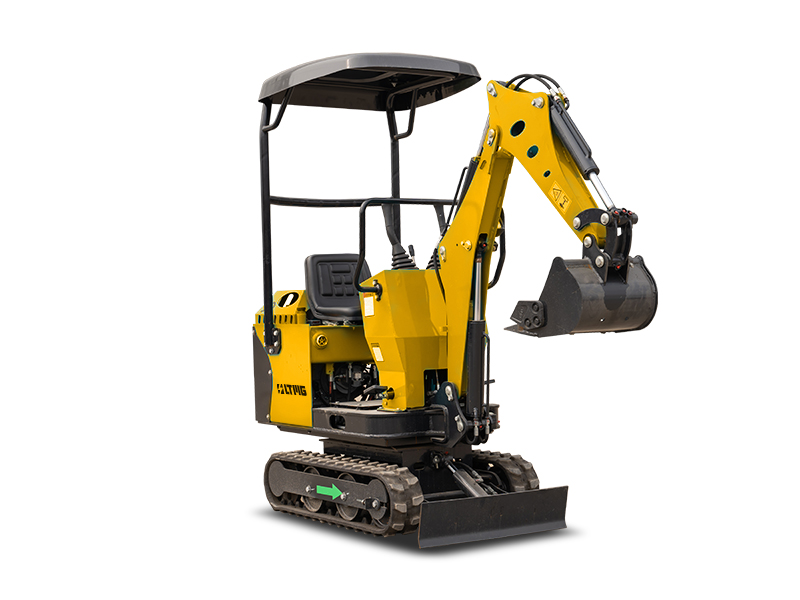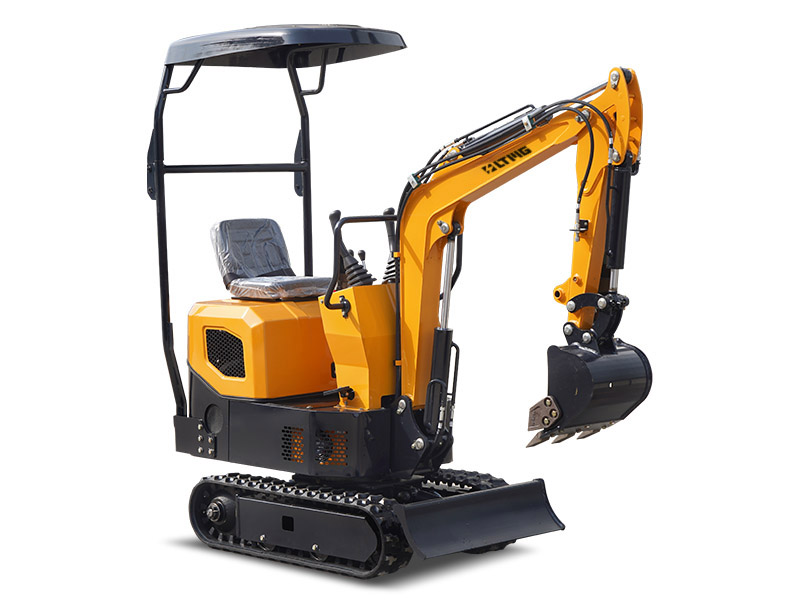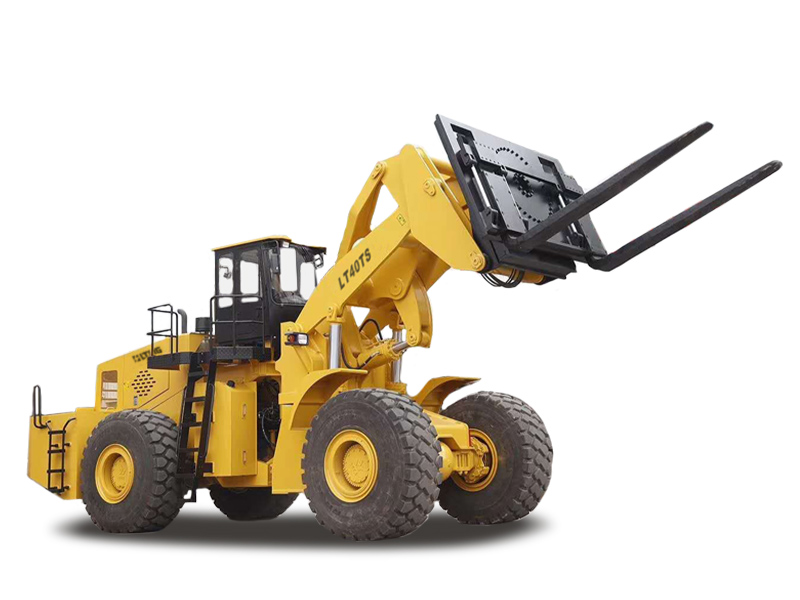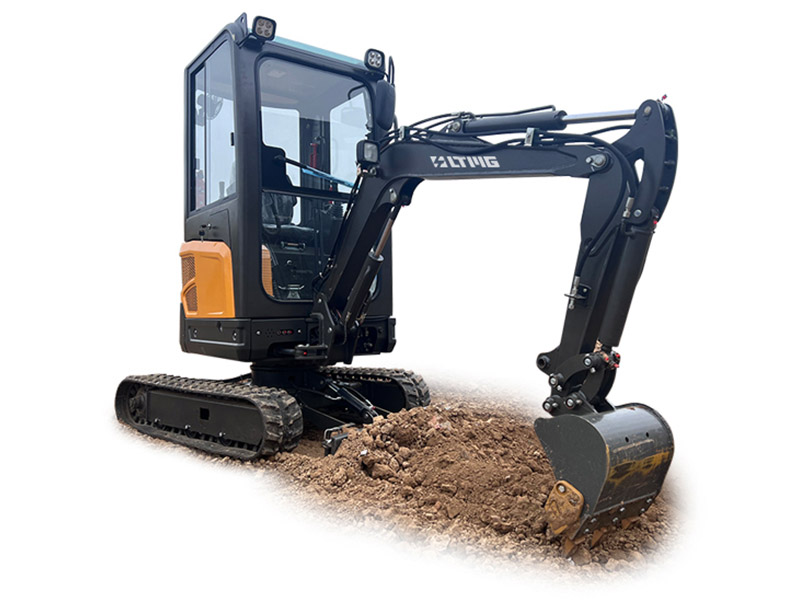
2025 में, चीन का निर्माण मशीनरी उद्योग चीनी उद्योग में एक गहरा परिवर्तन हो रहा है। पहले प्रदर्शन और मूल्य निर्धारण इसके मुख्य प्रेरक थे, लेकिन अब चीनी निर्माता वैश्विक औद्योगिक आपूर्ति श्रृंखला में गहराई से एकीकृत होकर आधिकारिक तौर पर "स्थानीयकरण 2.0" युग में प्रवेश कर चुके हैं।
नवीनतम आंकड़ों के अनुसार, चीन के निर्माण मशीनरी निर्यात के 2025 में 59 बिलियन डॉलर से अधिक होने की उम्मीद है। यह रिकॉर्ड तोड़ आंकड़ा चीनी ब्रांडों के लिए एक रणनीतिक उन्नयन का संकेत देता है: साधारण उत्पाद बिक्री से हटकर अनुसंधान एवं विकास, विनिर्माण और स्थानीय सेवाओं को शामिल करते हुए एक पूर्ण-स्तरीय संचालन की ओर बढ़ना।
I. बाजार की गतिशीलता: विदेशी व्यापार एक मुख्य स्तंभ के रूप में
2025 में भी विकास दर मजबूत बनी हुई है। जनवरी से अक्टूबर तक कुल निर्यात 48.526 अरब डॉलर रहा, जो पिछले वर्ष की तुलना में 12% की वृद्धि दर्शाता है। खुदाई मशीनों को उदाहरण के तौर पर लें तो, विदेशी बिक्री अब लगातार कुल मात्रा के 50% से अधिक का हिस्सा है।
इससे यह स्पष्ट होता है कि अंतर्राष्ट्रीय बाजार अब घरेलू बिक्री का मात्र पूरक नहीं रह गया है, बल्कि व्यावसायिक स्थिरता का एक मुख्य आधार बन गया है। यह संतुलित संरचना चीनी उद्यमों को बाजार में उतार-चढ़ाव के विरुद्ध अधिक लचीलापन और जोखिम प्रबंधन क्षमता प्रदान करती है।
II. एलटीएमजी का रणनीतिक विकास: "उपकरण प्रदाता" से "परिदृश्य-आधारित समाधान" की ओर
इस उद्योग परिदृश्य को देखते हुए, एलटीएमजी मशीनरी ने 2025 में अपनी वैश्विक रणनीति में महत्वपूर्ण बदलाव किया है, और पारंपरिक मशीनरी बिक्री से हटकर स्मार्ट, हरित और अनुकूलित समाधानों की ओर अग्रसर हुई है:
चैनल और सेवा के बीच तालमेल: इस वर्ष एलटीएमजी का मुख्य उद्देश्य क्षेत्रीय एजेंटों के साथ गहन सहयोग के माध्यम से बाजार विस्तार को बढ़ावा देना है। प्रमुख वैश्विक बाजारों में प्रीमियम भागीदारों के साथ रणनीतिक समझौते करके, एलटीएमजी ने न केवल बाजार की कमियों को पूरा किया है, बल्कि ब्रांड जागरूकता बढ़ाने के लिए स्थानीय विशेषज्ञता का भी उपयोग किया है।
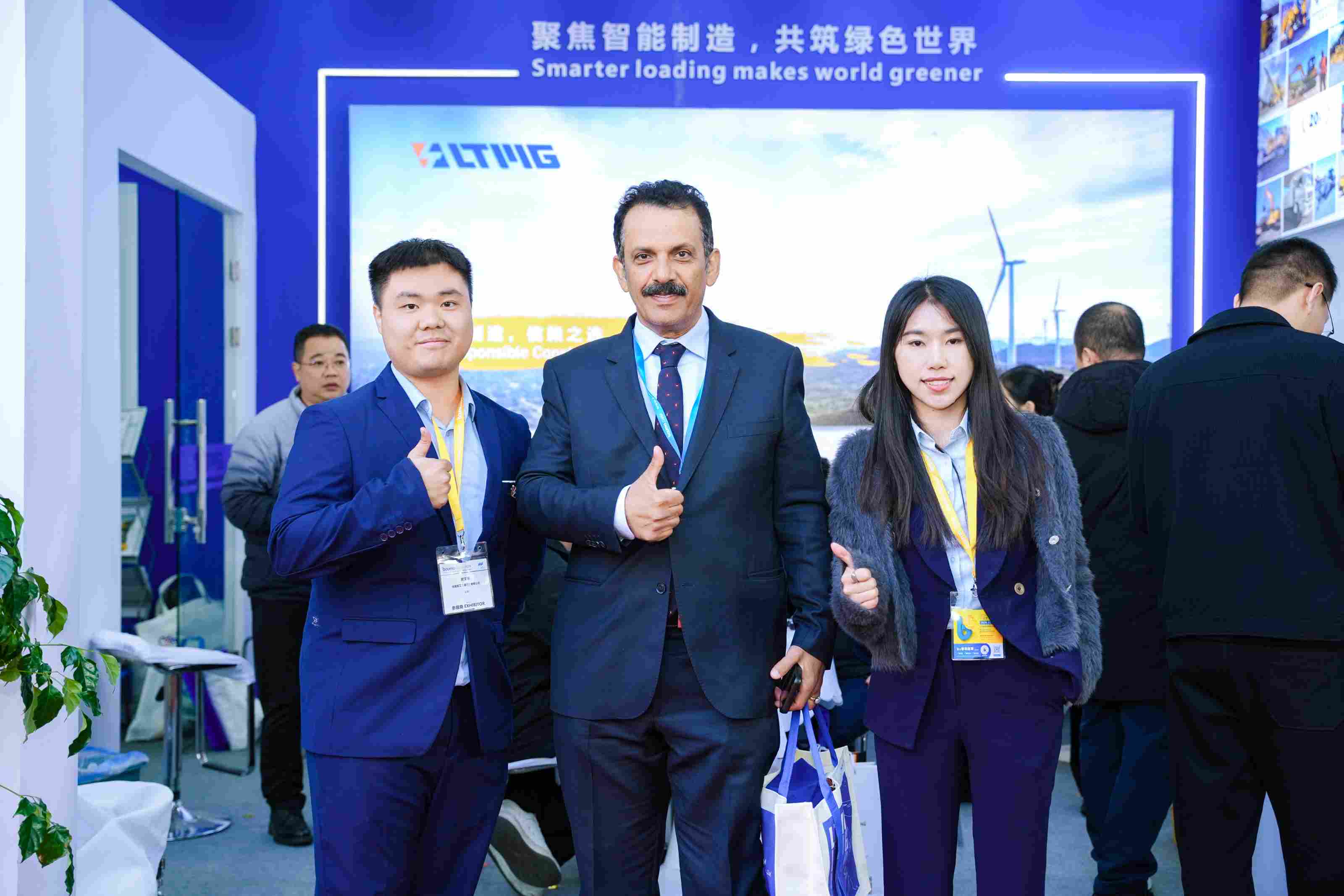
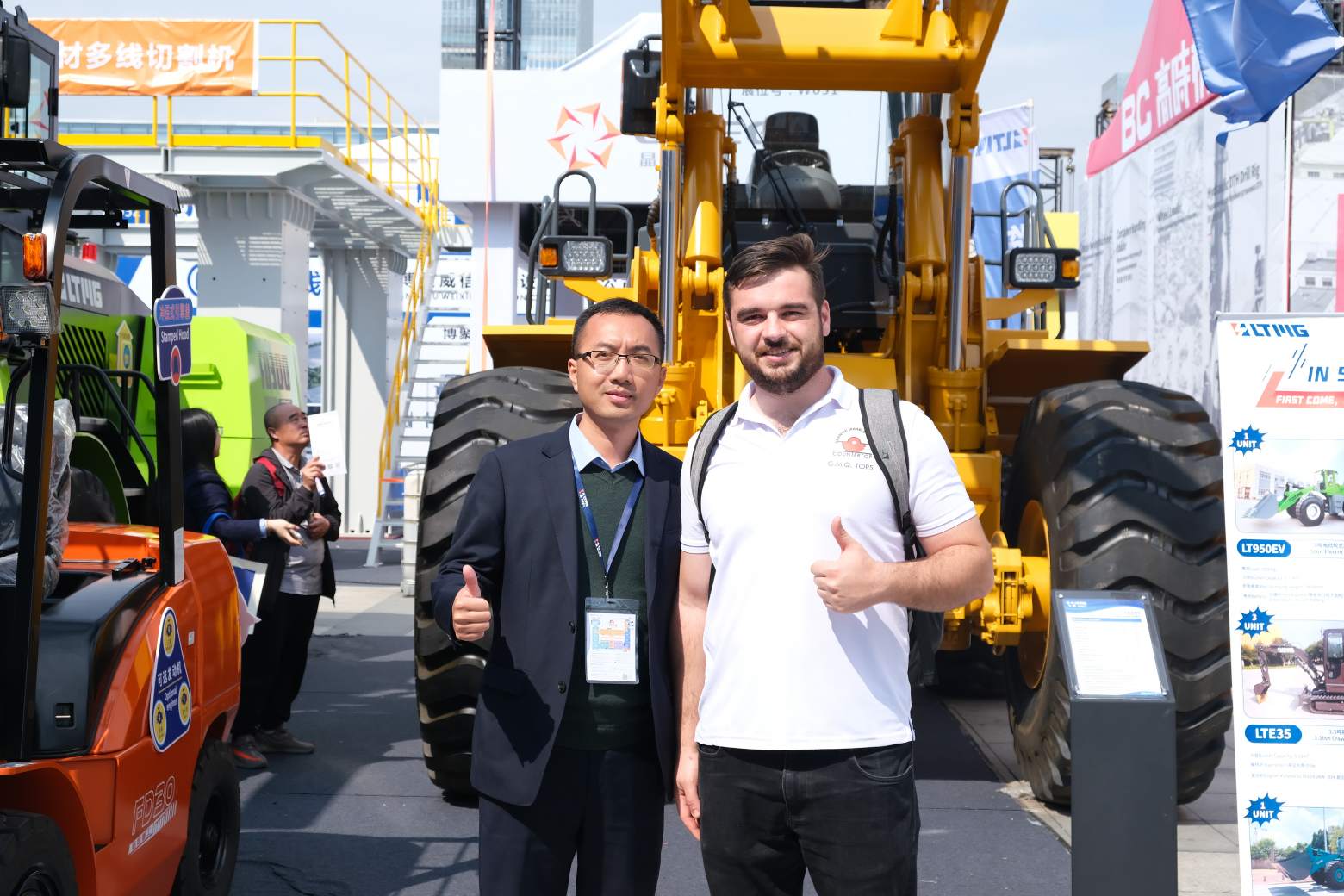
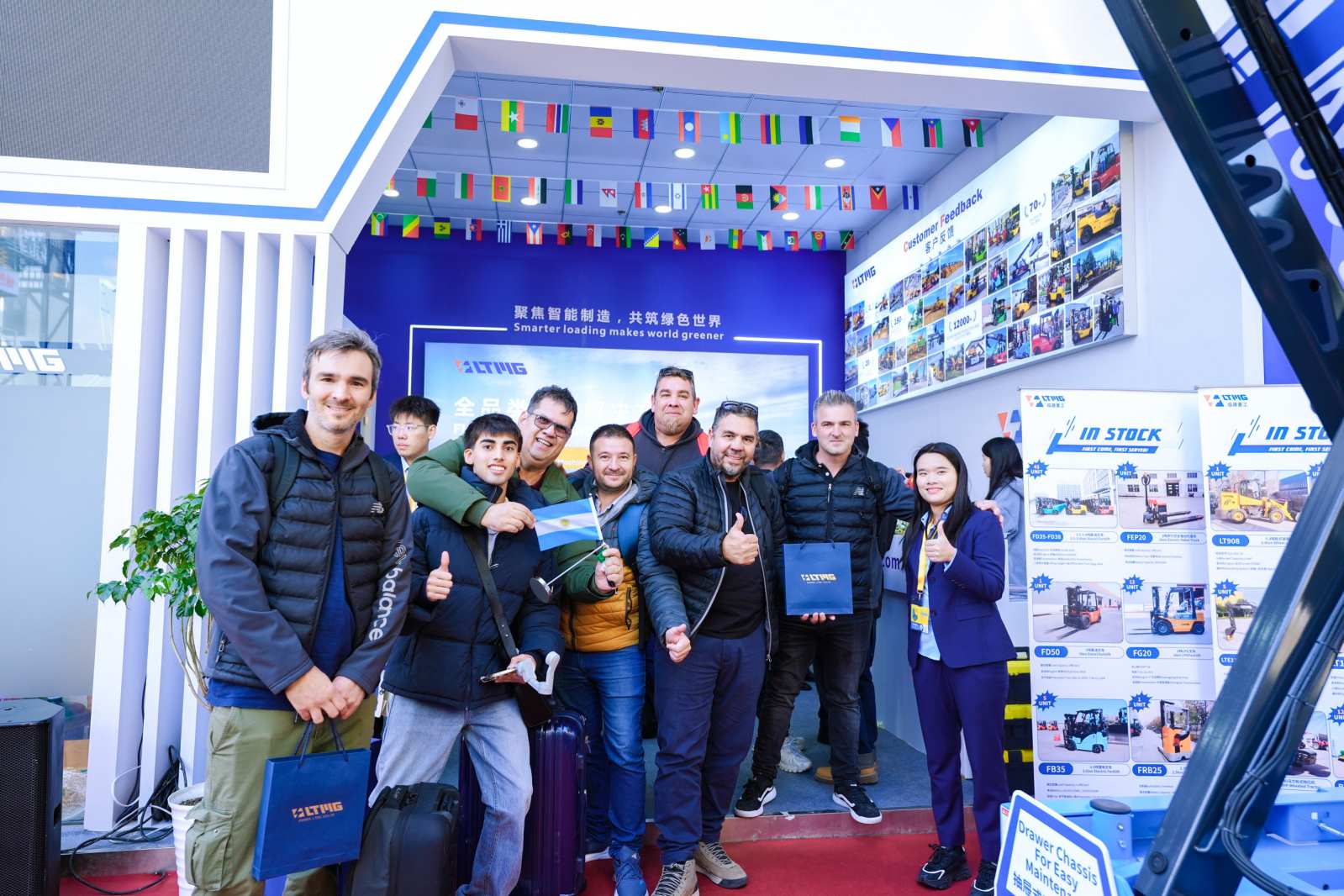
स्थानीय सेवा अवसंरचना: एलटीएमजी स्थानीय सेवा प्रणालियों की स्थापना को प्राथमिकता दे रहा है। अपने डीलरों के साथ साझेदारी में, कंपनी स्पेयर पार्ट्स के गोदाम और तकनीकी सहायता केंद्र स्थापित कर रही है। इससे सेवा क्षेत्र कम हो जाता है, जिससे यह सुनिश्चित होता है कि अंतरराष्ट्रीय ग्राहकों को समय पर और पेशेवर रखरखाव मिले—जो "उत्पाद बेचने" से "जीवन-चक्र मूल्य प्रदान करने" की दिशा में एक महत्वपूर्ण कदम है।
ब्रांड पहचान: एलटीएमजी के प्रयासों के फलस्वरूप इस वर्ष इसे "उत्कृष्ट निर्यात स्व-स्वामित्व वाला ब्रांड" का प्रमाणन प्राप्त हुआ है। पुर्जों की आपूर्ति में सुधार और प्रतिक्रिया समय को कम करके, एलटीएमजी अपने उपकरणों के लिए उच्च अपटाइम सुनिश्चित करता है, जिससे वास्तव में अपने उपयोगकर्ताओं को दीर्घकालिक मूल्य प्राप्त होता है।
III. क्षेत्रीय बाजार रणनीति: उपस्थिति को मजबूत करना और उच्च स्तरीय बाजारों में प्रवेश करना
2025 में, चीन की वैश्विक मशीनरी उपस्थिति दो अलग-अलग रुझान दर्शाती है:
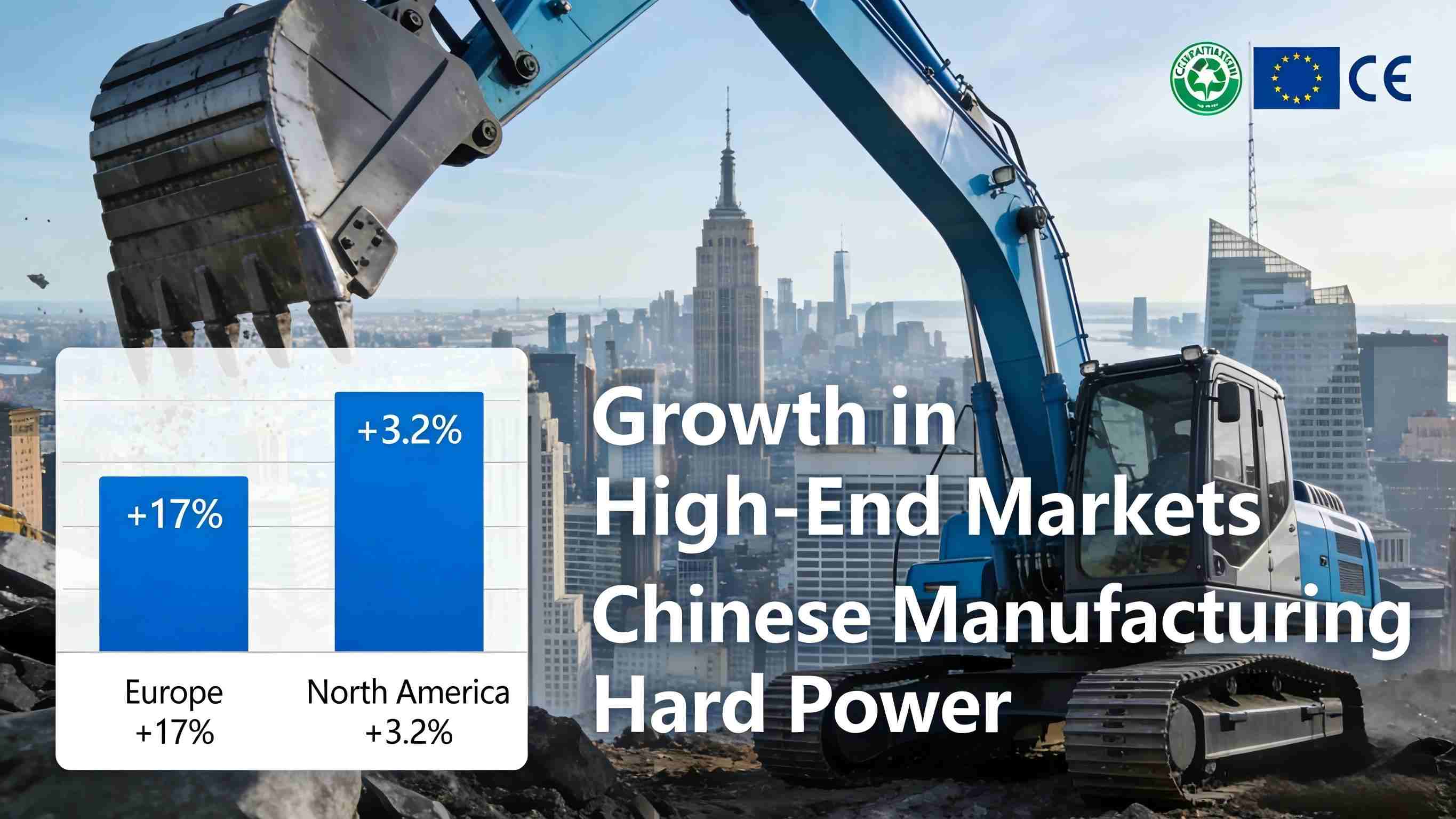
IV. स्थानीयकरण 2.0: उद्योग जगत के अग्रणी नेताओं का गहन रूपांतरण
पारंपरिक व्यापार मॉडल लुप्त हो रहे हैं। 2025 में, अग्रणी कंपनियों ने स्थानीय अनुसंधान एवं विकास, स्थानीय विनिर्माण और स्थानीय सेवाओं पर केंद्रित लोकलाइजेशन 2.0 को अपनाया।
V. सीमा पार सॉफ्ट पावर: सेवा और ब्रांड संस्कृति को जोड़ना
उत्पाद की गुणवत्ता के अलावा, 2025 में चीनी कंपनियों ने सेवा नवाचार और ब्रांड निर्माण में उत्कृष्ट प्रदर्शन किया है।
निष्कर्ष और भविष्य की संभावनाएं: व्यापार बाधाओं के बीच विकास के रास्ते खोजना
जैसे-जैसे हम 2025 के अंत की ओर देख रहे हैं, टैरिफ का दबाव और नीतिगत बाधाएं दीर्घकालिक चुनौतियां बनी हुई हैं।
हालांकि, संकट अक्सर प्रगति को गति देता है। आगे बढ़ते हुए, विदेशी बाजारों में अपनी उपस्थिति बढ़ाना और स्थानीय उत्पादन को बढ़ावा देना लाभ मार्जिन और बाजार हिस्सेदारी बनाए रखने की कुंजी होगी। मशीनों की बिक्री से लेकर सेवाओं की बिक्री तक, और पुर्जों के निर्यात से लेकर स्थानीय आपूर्ति श्रृंखलाओं के निर्माण तक, चीनी उद्यम वैश्विक प्रतिस्पर्धा के दूसरे चरण में अधिक लचीले और आत्मविश्वासपूर्ण रुख के साथ प्रवेश कर रहे हैं।

टेलीफोन : +86 195 5920 7570
ईमेल : market@ltmg.com
Whatsapp : +86 195 5920 7570
जोड़ना : LTMG Group, Electronics City(Xiamen) International Innovation Center, No.23, Duiying Road, Jimei District, Xiamen, China


नवीनतम उत्पाद जानकारी और ऑफ़र जानकारी प्राप्त करें